English| EUR
Suggested for you
More currencies
Book Now
Open today · 00:00 – 23:59

Falmouth Jamaica

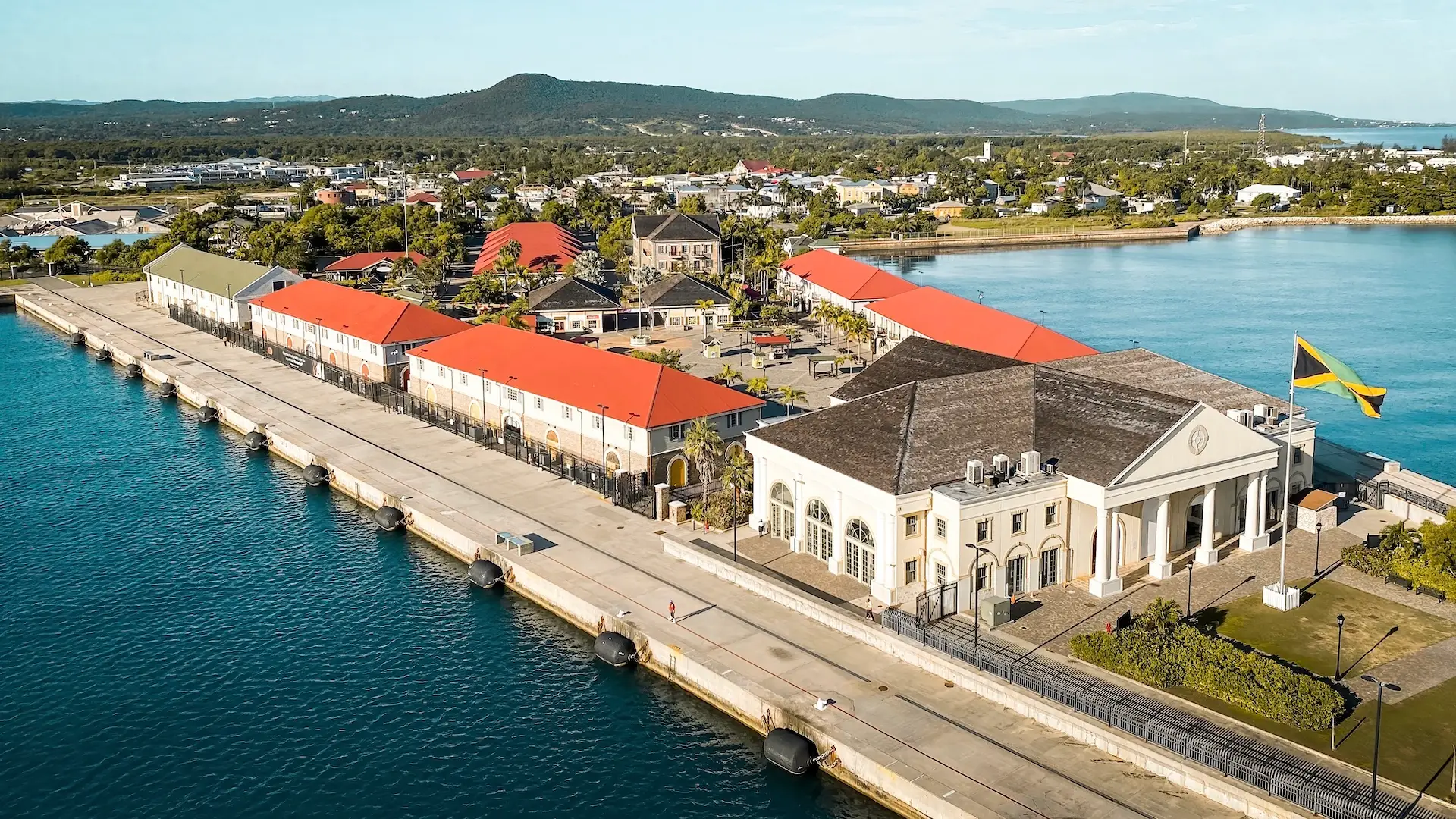
Falmouth Jamaica — Georgian Port Town in Trelawny Parish

Limestone streets meet the harbour, history walks beside you.

84K+ travelers chose this
Free Cancellation
Right now: Light — weekday, no cruise ship in port Some historic buildings including the courthouse remain closed after Hurricane Melissa storm damage in 2025
3-5 hours recommended
1 Languages
Up to 12 guests
Free Cancellation
Free cancellation Instant confirmation Mobile voucher Verified partner Book now, pay later
Choose your ticket

Ticket options at a glance

Compare fares, pick the fit — all bookings are mobile-voucher and eligible for free cancellation where shown.

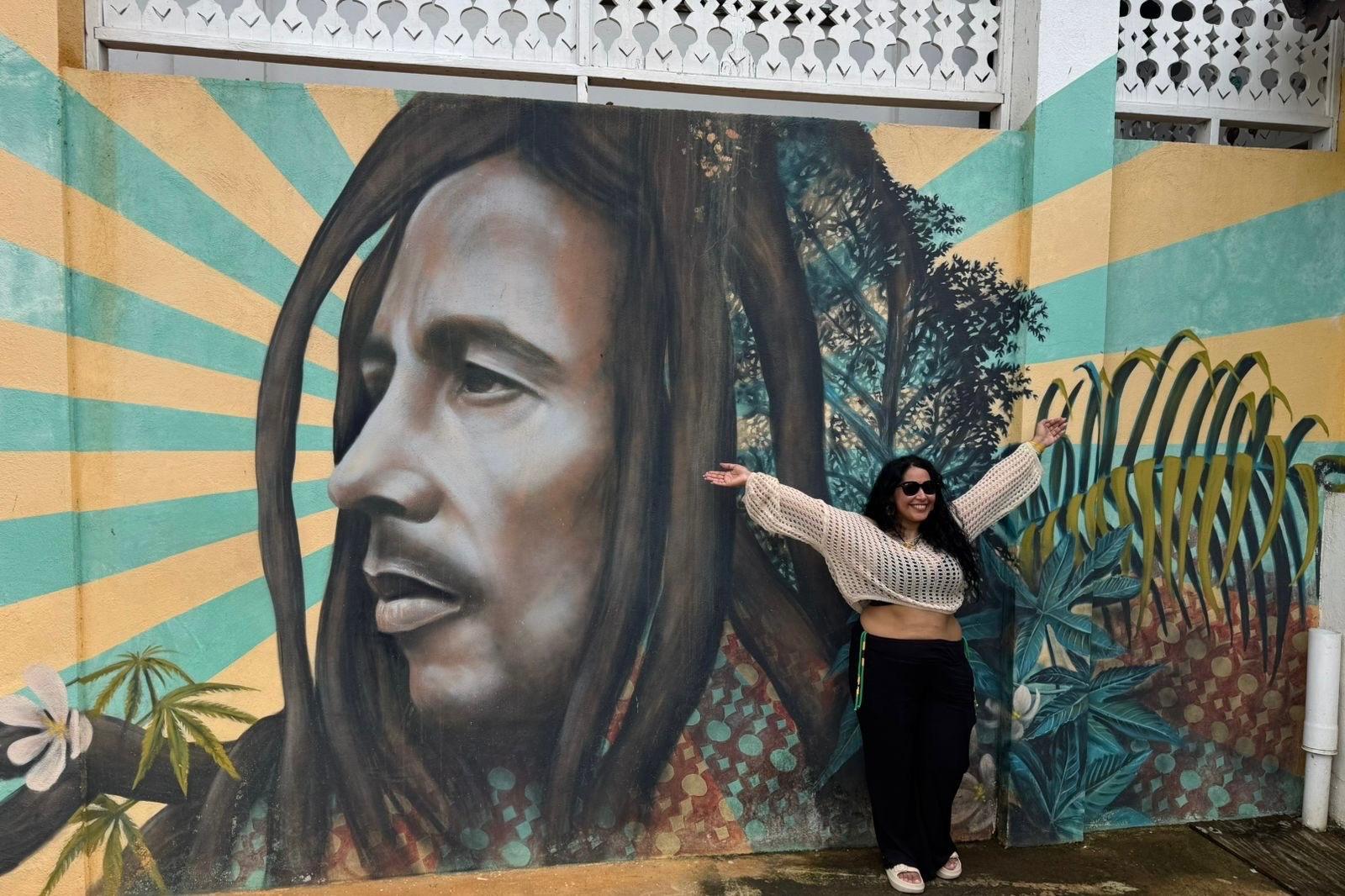
Private Bob Marley Nine Mile Cultural Tour 4 hr 30 min
Luxury / Private

Private Bob Marley Nine Mile Cultural Tour

5 (1)
€125
  • Private experience
  • Personal attention
  • Premium amenities
  • Free cancellation
Book this ticket
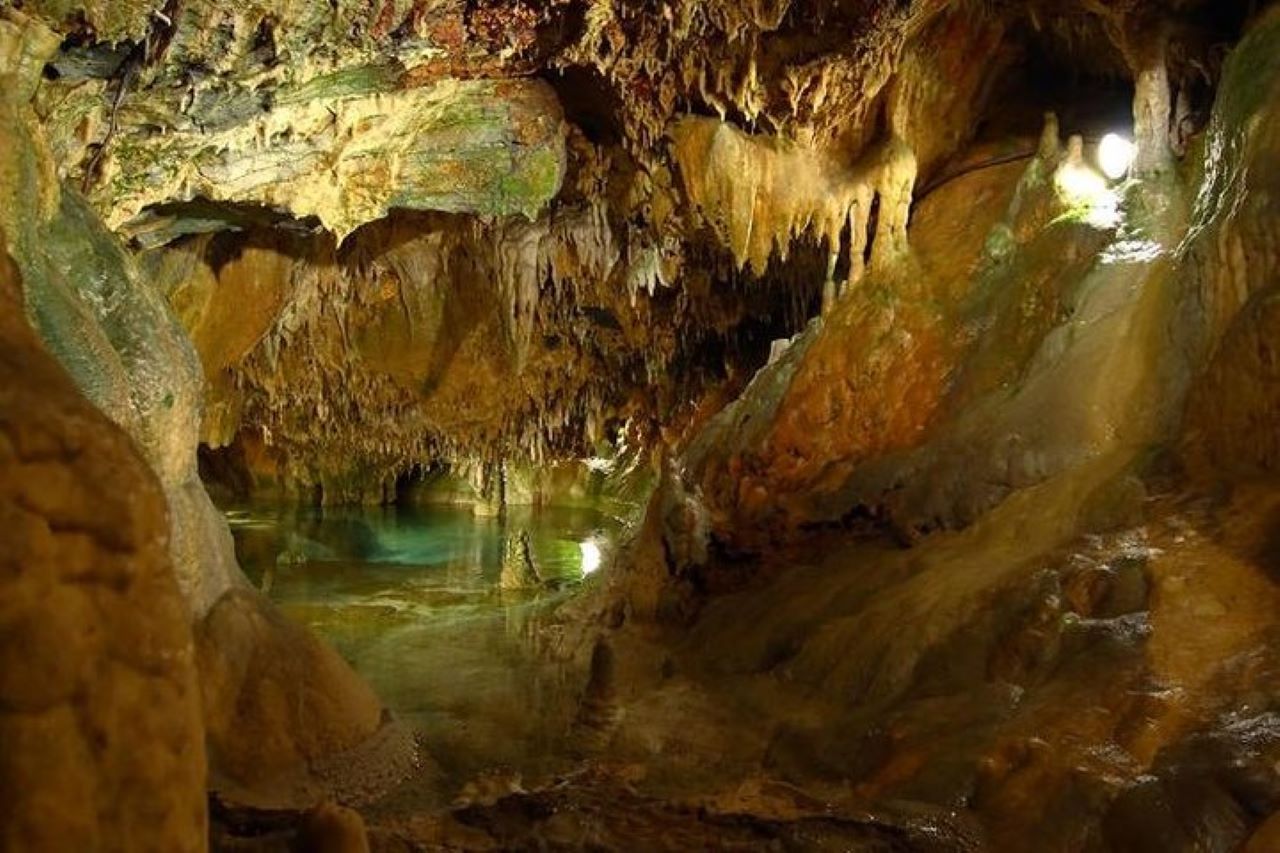
Dunn's River Falls & Green Grotto Caves Adventure from Falmouth 5 hr 30 min
Standard Entry

Dunn's River Falls & Green Grotto Caves Adventure from Falmouth

4.4
€143
  • Entry ticket
  • Mobile voucher
  • Valid same day
  • Free cancellation
Book this ticket
Head to head

Falmouth Jamaica vs Montego Bay: Which Port Suits Your Day Better

Cruisers weighing falmouth jamaica against Montego Bay usually land on Falmouth for a walkable falmouth jamaica tour through Georgian streets, and Montego Bay for beach time and a bigger excursion menu.

Top pick
Falmouth
Montego Bay
Walkability from pier 3 miles (5 km), taxi needed
Historic character Modern port area, historic sites offsite
Beach access Doctor's Cave Beach 10-min taxi ride
Excursion variety Wide range: falls, great houses, dolphins
Crowd level Busier Hip Strip and beach crowds
Cost to explore independently $5–7 taxi fare each way into town

Verdict: Falmouth wins on free, compact walkability and colonial-era streets, while Montego Bay's beaches and excursion range make it the stronger pick for a fuller, taxi-dependent day ashore.

Featured Experiences

Popular tours & activities

Hand-picked experiences loved by thousands of travelers

Recommended Experience

Powered by GetYourGuide

Another traveler favorite

Powered by GetYourGuide
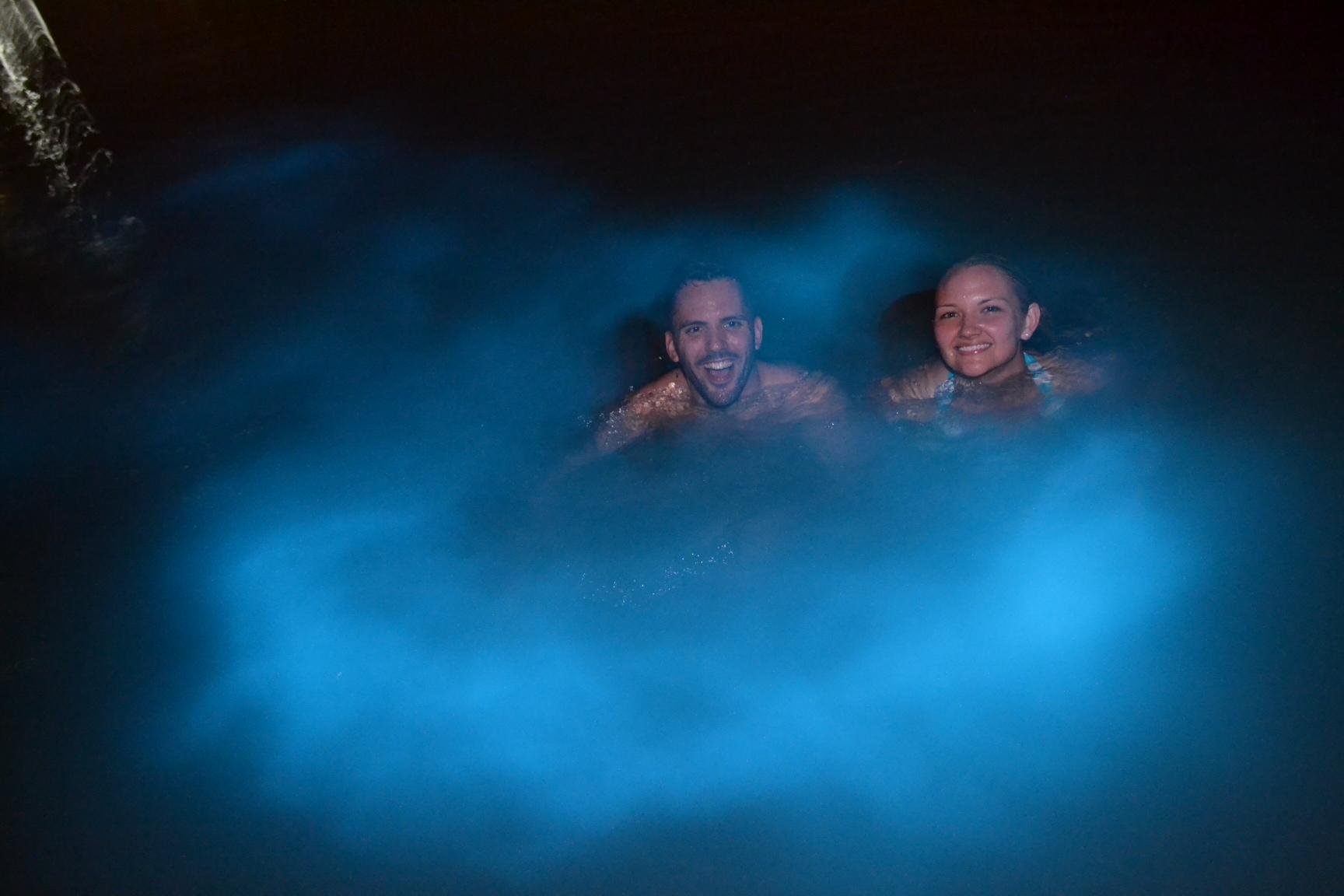
Falmouth Luminous Lagoon Evening Boat Excursion 35 minutes to 2 hours Free Cancellation

Falmouth Luminous Lagoon Evening Boat Excursion

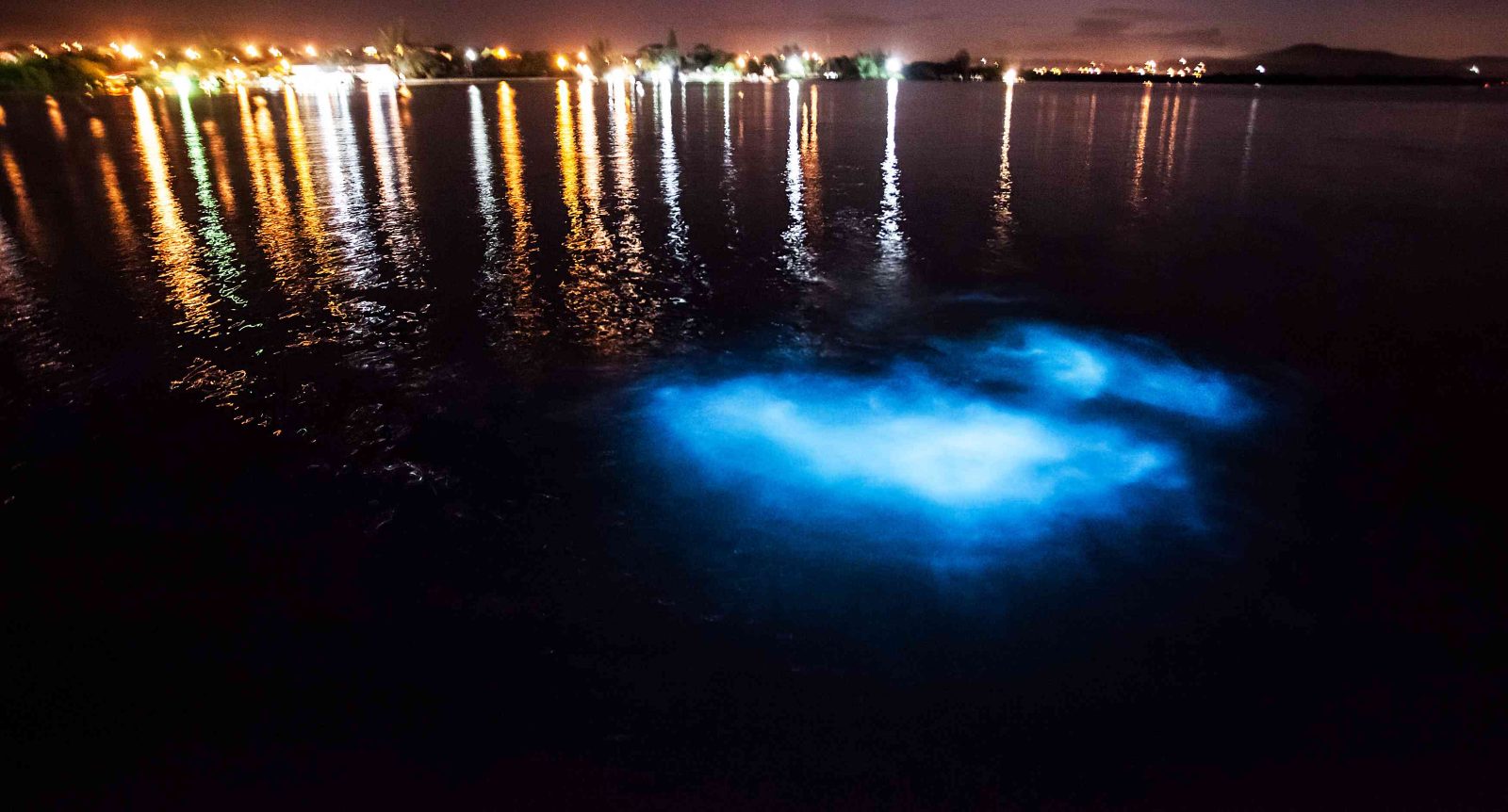
Discover Jamaica's glowing bioluminescent waters on this magical evening boat journey through the Luminous Lagoon.

4.3 (7)
FromFrom €30.15
See details
Falmouth: Dunn’s River Falls & White River Tubing Adventure 6 hours Free Cancellation

Falmouth: Dunn’s River Falls & White River Tubing Adventure

Discover Ocho Rios with a guided excursion featuring iconic waterfall climbing, river tubing, and authentic Jamaican jerk lunch.

4.4
FromFrom €159.36
See details
Falmouth Clear Kayak & Drone Photography Experience 3 hours Free Cancellation

Falmouth Clear Kayak & Drone Photography Experience

Embark on a scenic guided kayak tour through Jamaican waters, complete with professional photography to capture your adventure.

4.8
FromFrom €206.74
See details
Your journey

Step-by-step — what your day looks like

1

Water Square arrival

Begin at the pedestrian square that has anchored Falmouth since the 1770s, near the old piped-water fountain site

2

Courthouse exterior

View the Georgian courthouse from outside; the interior remains closed following 2025 hurricane damage

3

Market Street walk

Stroll past the Baptist Manse and preserved Georgian merchant houses toward Market Street

4

Albert George Market

Browse the 1894 shopping center for crafts, spices, and souvenirs, busiest on Wednesday mornings

5

St. Peter's Anglican Church

Visit one of Jamaica's oldest churches, built in the 1790s with a mahogany-columned interior

6

William Knibb Baptist Church

Close the loop at the church linked to Jamaica's abolition history on King Street

What you'll see

Highlights not to miss

Water Square

The pedestrian square at Falmouth's center dates to the town's founding in 1769 and once fed piped water to residents starting in 1799, predating New York City's system. It remains the natural starting point for any walk through the historic district.

Falmouth Courthouse

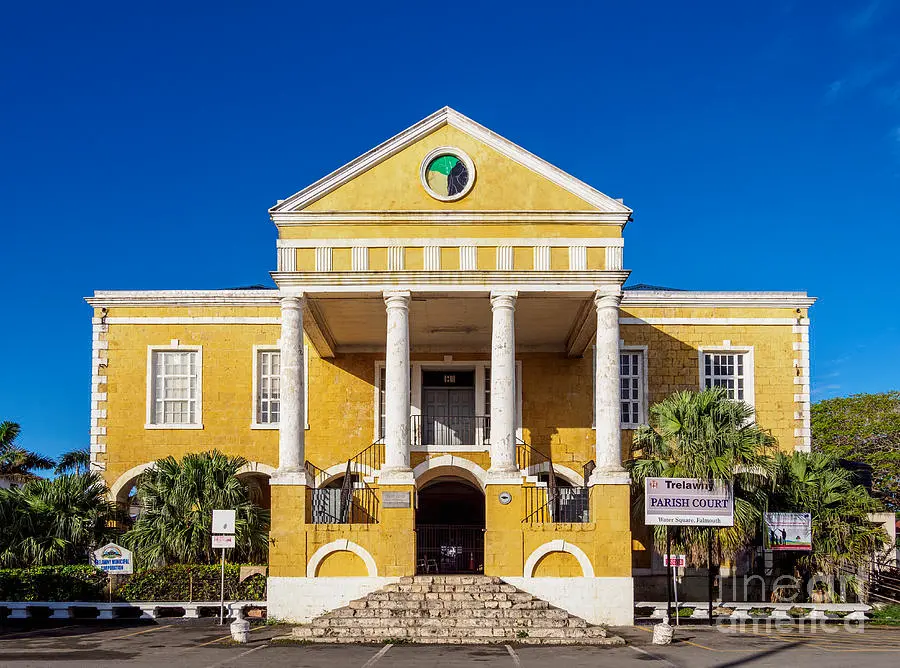
Built between 1815 and 1817 in Palladian style with a double curling staircase, this Georgian courthouse was rebuilt after a 1926 fire and suffered severe roof damage again during Hurricane Melissa in October 2025. Its exterior columns and portico remain visible from Water Square even while the interior stays closed for repair.

Albert George Market

Constructed in 1894 and named for two grandsons of Queen Victoria, this market building stands on the former site of slave auctions and today houses craft stalls and souvenir vendors. Its roof was among the structures badly damaged by the 2025 hurricane.

St. Peter's Anglican Church

Built around 1795 and topped with a tower added in 1842, this is considered the oldest church in the parish, with structural columns of solid mahogany and a floor inlaid with mahoe wood crosses.

William Knibb Baptist Memorial Church

Named for the missionary and abolitionist William Knibb, this King Street church was the site of an all-night vigil on July 31, 1838, as enslaved Jamaicans awaited the dawn of full emancipation. Adjacent stands the 1798 Baptist Manse, Knibb's former residence.

Georgian Historic District

Falmouth was declared a National Monument in 1996 for holding the Caribbean's largest surviving collection of Georgian-era architecture, including merchant houses, gingerbread woodwork, and brick mansions along Market Street.

The experience

What the visit is really like

You step off at Water Square with the morning still cool, arriving in the 09:00–13:00 window before the midday sun tightens over the limestone. The town is free and open, so there is no gate to pass — you simply walk in. You start at the old fountain, then turn up Market Street, counting the sash windows and wrought-iron balconies as the falmouth jamaica tour of your own making takes shape. You pause at the William Knibb Memorial Baptist Church, where emancipation was read aloud in 1838, and let the weight of that settle. A few blocks on, St. Peter's Anglican churchyard offers shade and worn headstones. You trace Duke Street's row of Georgian townhouses, running a hand along cut-stone corners, then double back toward the courthouse. By late morning the vendors near the square are busy, and you weave between painted shutters and craft stalls, listening to the patois trade around you. If you have arranged a wider excursion, this is when a van collects you for the Martha Brae or the bioluminescent lagoon; if not, you keep walking the grid, letting one street lead to the next. You leave with the map of an eighteenth-century port carried in your feet rather than your phone.

Everything You Need to Know

Your complete experience guide

All the details about your upcoming adventure in one place

Exploring Historic Falmouth Jamaica

Falmouth Jamaica is a restored Georgian port town on the island's north coast, known for its wooden colonial verandas, the busy cruise pier, and the glowing Luminous Lagoon nearby. Well-run falmouth jamaica tours pair the walkable town center with the surrounding Trelawny countryside, from craft markets to riverside stops. Visitors drawn to Caribbean heritage sites find plenty of texture in the town's brick courthouse, waterfront square, and shaded market streets.

Falmouth holds one of the largest concentrations of Georgian architecture in the Western Hemisphere, laid out in 1769 on a strict grid two decades before the town's sugar wealth peaked. The keyword to remember when researching falmouth jamaica is water: the settlement had piped running water before New York City did, drawn to public fountains while the harbour filled with ships carrying sugar and enslaved labour out of Trelawny Parish. The town was named for the Cornish birthplace of Sir William Trelawny, governor of Jamaica when the parish was carved out. Its founders were merchants and planters who wanted a shipping port closer to the cane fields than distant Montego Bay. For roughly fifty years the plan worked, and stone-and-timber townhouses, a courthouse, and Anglican and Baptist churches rose along Market Street, Duke Street, and Water Square. When emancipation and the collapse of the sugar economy arrived, the boom stalled, and the arrested development is precisely what preserved the streetscape. What makes this place matter today is that stalling. Because little was rebuilt, Falmouth survives as an unusually intact colonial port, and its limestone facades, sash windows, wrought-iron balconies, and cut-stone foundations read as a single period rather than a patchwork. The William Knibb Memorial Baptist Church anchors the town's role in the abolition story; Knibb declared emancipation here in 1838. St. Peter's Anglican Church, dating to the 1790s, and the restored Georgian courthouse frame Water Square, the old civic heart where the fountain once stood. Restoration since the 2011 opening of the cruise pier has stabilised many buildings, and a walk through falmouth jamaica now moves between working shops, painted shutters, and quiet churchyards. The architecture rewards slow looking: quoined corners, jalousie louvres tuned to the trade winds, and a rhythm of doorways sized for a merchant town rather than a plantation great house. The surrounding parish adds context that the town alone cannot. Nearby lie the Glistening Waters lagoon, one of only a handful of bioluminescent bays on Earth, and the Martha Brae River, both threaded into the wider story of Trelawny's coast and interior. The most popular falmouth jamaica tours pair the historic centre with these landscapes, while independent visitors treat the grid itself as the exhibit. Whether reached by ship or by road along the north coast, this Trelawny landmark offers a compact, legible portrait of eighteenth-century Caribbean commerce, one where the street plan, the fountains, and the churches still hold their original shape.

Because little was rebuilt after the sugar economy collapsed, Falmouth survives as an unusually intact colonial port.

Dress code

Light, breathable clothing suits Falmouth's tropical climate, and closed-toe shoes are recommended for the uneven cobblestone sections around Water Square and Market Street. Swimwear should be covered with a shirt or wrap when walking through the town center away from the beach.

Bags & security

Cruise passengers pass through a security checkpoint at the Falmouth Cruise Port gate before entering the town on foot. Small day bags and backpacks are permitted; there is no formal bag-search checkpoint within the historic town itself, but vendors near Water Square can be persistent so keep bags zipped and close to the body.

Photography

Personal photography of the courthouse, Water Square, and Georgian-era buildings is unrestricted and free, though several structures show visible hurricane damage from October 2025 and are fenced for safety. Ask permission before photographing individuals, particularly market vendors on Market Street.

Families & strollers

Children can walk the short, flat loop between Water Square and the market without strollers needing to leave paved areas. Keep young children close near vendor stalls, where crowds and traffic can build quickly on cruise ship days.

Accessibility

Water Square and Main Street are mostly flat and manageable for wheelchairs and strollers, but side streets near the Albert George Market have broken pavement, narrow curbs, and construction debris still present from 2025 storm cleanup. There are no dedicated accessible restrooms within the historic district itself; the cruise terminal has ADA-compliant facilities.

Food & drink

Bottled water and sealed snacks may be carried through the town freely, and there is no ban on eating in Water Square or along Market Street. Alcohol consumption in open public areas outside licensed bar patios is discouraged by local vendors and best avoided near the churches and courthouse grounds.

Not allowed

× Illegal drugs × Firearms and weapons × Glass bottles in market areas × Drones without permission × Speakers playing loud music near churches × Large wheeled luggage on cobblestone lanes × Fireworks × Spearfishing gear in the harbor × Unauthorized commercial filming equipment × Open flames × Litter and single-use plastics near the waterfront

What to bring

✓ Sunscreen ✓ Reusable water bottle ✓ Comfortable closed-toe shoes ✓ Light rain jacket ✓ Cash in small JMD or USD bills ✓ Hat or sun cover ✓ Insect repellent ✓ Portable phone charger

Opening hours

Mon 00:00 – 23:59

Quiet outside market days

Tue 00:00 – 23:59
Wed 00:00 – 23:59

Bend-Down Market draws crowds

Thu 00:00 – 23:59

Cruise pier typically active

Fri 00:00 – 23:59

Cruise pier typically active

Sat 00:00 – 23:59

Shops close by early afternoon

Sun 00:00 – 23:59

Many shops and market stalls closed

Closures & exceptions

  • ·Dec 25 — Christmas Day
  • ·Jan 1 — New Year's Day
  • ·Apr 3 — Good Friday
  • ·Apr 6 — Easter Monday
  • ·Aug 1 — Emancipation Day
  • ·Aug 6 — Independence Day

At a glance

Hours

Open 24 hours daily, historic streets and Water Square accessible year-round

Getting there

Car · 30–60 min · Toll-free coastal route

Drive the A1 North Coast Highway; Falmouth sits roughly 30–45 minutes east of Montego Bay's Sangster International Airport and about an hour west of Ocho Rios.

Taxi · 30–45 min from Montego Bay · Approx US$25–45 one-way

Licensed red-plate JUTA taxis run fixed routes between Montego Bay, Falmouth, and Ocho Rios; confirm the fare before departure.

Public transport · 45 min–1h39m · US$3–16 depending on mode

Route taxis and minibuses connect Falmouth to Montego Bay and Ocho Rios along the A1; the Knutsford Express coach also stops nearby.

Walk · 5–10 min · Free

The cruise pier sits adjacent to the historic town, so passengers can walk directly from the terminal gate into Water Square.

Cancellation policy

Falmouth's historic town and streets carry a 0 JMD entrance fee, so there is no ticket to cancel or refund for general access. Any paid excursions booked separately, such as river rafting or a Falmouth Jamaica tour with a licensed operator, follow that operator's own cancellation window, typically 24 to 48 hours before departure.

Plan your time

How long do you need?

Recommended time

2-3 hours

A self-guided loop through the Georgian old town, Water Square, the courthouse, and Albert George Market fills 2-3 hours at an easy pace, since the historic core sits just a five-to-ten-minute walk from the pier. Add a half day if pairing falmouth jamaica with a trolley tour, river rafting, or a beach stop outside town, since excursions commonly run several hours round trip. There's no ticket queue to budget for given free entry, but foot traffic on Water Square and the market lanes bunches sharply within the first two hours after a ship docks, then eases as passengers scatter to tours or the beach. Crowd rhythm here tracks the ship's schedule far more than the calendar, so timing your walk against arrival and all-aboard calls matters more than picking a particular week to visit.

Crowd levels through the day

Early morning (pre-arrival) Light
Mid-morning, just after docking Heavy
Midday Moderate
Early afternoon Moderate
Late afternoon, pre-departure rush Heavy
Evening, after all-aboard Quiet
Plan ahead

When to go — year at a glance

Weather · crowds · average price — dots go green to amber to red as each metric rises.

Winter (Dec–Apr)

Dry season with daytime highs around 28–30°C and the lowest rainfall of the year, making cobblestone walking easier. This period also sees the heaviest cruise ship traffic, so mornings before 10:00 are calmer.

Spring (Mar–May)

Temperatures climb toward the low 30s°C as the dry season ends; fewer ships call in April and May, giving quieter access to Water Square and the market.

Summer (Jun–Aug)

Hot and increasingly humid with highs near 32–33°C; this is hurricane season's early stretch, so afternoon showers are common and midday heat makes the 09:00–13:00 window especially important.

Fall (Sep–Nov)

Peak Atlantic hurricane season, with October and November carrying the highest storm risk following 2025's Hurricane Melissa; cruise calls are reduced and some sites may have limited access during repairs.

Insider tips

Helpful tips for your visit

Time it around the pier

The cruise terminal operates Wednesday, Thursday, and Friday between roughly 9 a.m. and 5 p.m., so those are the busiest days for Falmouth Jamaica tours and the quietest are Monday, Tuesday, and weekends.

Carry small bills

JMD in small denominations makes bargaining at the Albert George Market and Bend-Down Market easier than breaking large notes.

Expect some closures

Several landmarks including the courthouse interior remain closed following Hurricane Melissa's 2025 damage, so confirm access before planning an indoor stop.

Watch your footing

Cobblestone and uneven pavement around Water Square and Market Street call for sturdy, closed-toe shoes rather than sandals.

Wednesday market day

The Bend-Down Market fills stalls with local produce, spices, and crafts, offering a more local alternative to souvenir shops near the pier.

Stick to well-traveled routes

Vendors can be persistent near the port gate; politely declining and moving toward Water Square usually ends unwanted sales pitches quickly.

Pair with the lagoon

Combine a daytime walk through town with an evening Glistening Waters Luminous Lagoon boat tour, since the bioluminescence is only visible after dark.

Where to meet

Meeting points

Water Square

Water Square, Falmouth, Trelawny Parish, Jamaica

Central landmark and easiest fixed meeting point in town

Get directions

Falmouth Cruise Port Welcome Center

Falmouth Cruise Port, Falmouth, Jamaica

Gathering point for ship-organized excursions and taxis

Get directions
The story

The history behind the site

Falmouth was founded in 1769 and formally laid out in 1790, named for the Cornish birthplace of Sir William Trelawny, the colonial governor for whom the surrounding parish is also named. The town was planned on a grid by Thomas Reid, an unusual act of foresight for the period. Its position on the north coast, beside a natural harbour, made it a shipping point for the sugar and rum pouring out of Trelawny's estates. By 1800 the parish held more than eighty sugar plantations, worked by enslaved Africans whose labour built the wealth the streets still display. The Georgian architecture that defines falmouth jamaica dates largely from 1790 to 1830, the town's commercial peak. Merchants raised limestone and timber townhouses, a courthouse, and warehouses along Water Square and Market Street. Falmouth reportedly had piped water before New York City, drawn to the town in 1799. Ships arrived laden with enslaved people and departed heavy with hogsheads of sugar. The 1834 abolition of slavery and full emancipation in 1838 severed the labour supply that sustained the estates. Decline followed. Sugar prices fell, the harbour silted, and the railway and steamships favoured deeper ports at Kingston and Montego Bay. For over a century Falmouth languished, its Georgian houses decaying yet, by accident of poverty, unaltered. That preservation-by-neglect left one of the Caribbean's densest concentrations of Georgian buildings intact. Restoration efforts gathered pace with the Falmouth Heritage Renewal, and interest in falmouth jamaica landmarks grew as conservationists documented the surviving stock. The decisive turn came in 2011, when Royal Caribbean, in partnership with the Port Authority of Jamaica, opened the Historic Falmouth Cruise Port after a roughly 220-million-US-dollar development. The pier and its faux-Georgian shopping district drew visitors to a town most had never heard of, and falmouth jamaica tours began threading through the restored streets. The project remains contested: critics argue the manufactured port facade sits uneasily beside the genuine 18th-century fabric, while defenders credit it with reviving a dying town. Visitors booking a falmouth jamaica tour today walk streets where sugar fortunes rose and fell. Those seeking falmouth jamaica tickets find the historic core itself free to enter, a working town rather than a sealed museum.

1769

Falmouth is founded on Jamaica's north coast beside a natural harbour.

1790

The town is formally laid out on a planned grid and named for Governor Trelawny's Cornish birthplace.

1799

Piped water reaches the town, reportedly before New York City.

1790–1830

Sugar and rum wealth funds the Georgian townhouses, courthouse, and warehouses still standing.

1838

Full emancipation ends the enslaved labour that sustained the surrounding estates.

1840s–1900s

Falling sugar prices and a silted harbour push the town into a long decline.

2011

Royal Caribbean and the Port Authority open the Historic Falmouth Cruise Port after a roughly US$220m development.

2026

The restored Georgian core remains a free, working heritage town for cruise visitors.

Photo spots

Best photo spots

Water Square Fountain

Best light · Before 09:00, soft light

Stand at the pedestrianized square with the restored fountain in the foreground and Albert George Market's octagonal clock tower framed behind it; the arched market facade and Georgian quoins fill the background. This is the classic opening shot on any falmouth jamaica walking route and the most photographed corner of the historic town.

Albert George Market Facade

Best light · Morning, avoid midday sun

Move in close to the arched windows and octagonal tower of the 1894 market building, shooting from Market Street so the clock faces and stone quoins read clearly against the sky. Morning light avoids the harsh shadow that falls across the arcade by midday.

Falmouth Court House Steps

Best light · Midmorning

Shoot the Court House from the north end of Water Square where its columned portico and pediment face the sea, a composition locals call the town's civic centerpiece. The wide front steps give a low-angle vantage that keeps the whole facade in frame.

King Street Georgian Row

Best light · Early morning, quiet streets

Walk the flat, grid-planned block of King Street to frame single-story stone townhouses with covered verandas and louvered shutters in a straight receding line, a favored angle for guides leading falmouth jamaica tours. Few vehicles pass, so the street itself stays clean in the shot.

Duke Street Colonial Facades

Best light · Late afternoon light

Stand mid-block on Duke Street to capture the mix of restored and weathered colonial buildings with their wooden fretwork and pastel paint, a stretch often included in falmouth jamaica tour itineraries for its unbroken Georgian streetscape. Shoot from the shaded sidewalk to balance exposure between bright walls and open sky.

Gallery

Moments from the experience

With kids

Visiting with kids

Visiting falmouth jamaica with young kids works best if you split the day between the port complex and short bursts in the old town, since one area is stroller-easy and the other is not. The historic streets are free to explore, but Georgian-era sidewalks and midday heat mean shorter, shaded stretches suit toddlers better than a long march.

Strollers

The cruise port itself is flat, paved, and stroller-friendly with wide walkways, but the historic streets beyond the gate have uneven, cracked pavements and narrow curbs. A lightweight umbrella stroller handles the old town better than a bulky travel system.

Best ages

School-age kids (6+) manage the walking and heat best, while toddlers tire quickly on broken sidewalks outside the port. For infants, plan on babywearing rather than pushing a stroller once you leave the terminal building.

Facilities

The terminal has multiple restrooms, including a wheelchair-accessible one, plus air-conditioned indoor seating for a break from the sun. No dedicated baby-change room is confirmed, so budget extra time using terminal restrooms before heading into town.

Pacing

Aim for the 09:00–13:00 arrival window, when cooler morning air suits a falmouth jamaica tour on foot before midday heat sets in. Keep old-town walking to 30–45 minute stretches, then retreat to the shaded, air-conditioned port complex to reset.

Rainy-day plan

Covered outdoor seating and an indoor terminal building make the port a reliable fallback if showers roll in during a Falmouth landmarks walk. Skip cobbled side streets when wet, since they get slick fast for little feet.

Food & drink

Where to eat nearby

Dining near falmouth jamaica splits into three zones: a jerk center steps from Water Square, kiosks inside the cruise port complex, and waterfront seafood a short taxi ride out at Glistening Waters, so cruisers rarely need to bring their own food ashore.

Supreme Restaurant

$8-15

Jerk center — 1 min walk from Water Square

Piled-high platters of jerk chicken, pork and conch with red and green plantain or roasted yam on the side; busiest around lunch when trolley tours drop groups downtown, good for a sit-down plate rather than a rushed bite.

Pepper's Jerk Center

$10-20

Jerk & grill — short walk from town center

Set in former slave quarters near downtown, known for jerk chicken and pork alongside curried shrimp and escoveiched fish; free Wi-Fi and in-town delivery make it a comfortable stop, though popular items sometimes sell out by mid-afternoon.

Margaritaville Falmouth

$12-25

Port-complex restaurant & bar

Colorful pirate-themed spot inside the cruise terminal with a swim-up bar and pool, serving jerk barbecue chicken and island taco salad; convenient for passengers who want a meal without leaving the port complex, and it gets crowded once ships dock.

Jamaican patty kiosks

$2-5

Street food — inside port complex

Grab-and-go stalls scattered through the terminal selling patties and quick snacks between the shops; useful for a fast bite before or after a falmouth jamaica tour without committing to a full sit-down meal.

Glistening Waters Restaurant and Marina

$15-30

Seafood — waterfront, short drive from port

Overlooks the Luminous Lagoon with fresh seafood, escovitched fish and curried goat on the menu; best for travelers venturing slightly further out, and reservations help during peak lunch and pre-tour hours.

Customer Reviews

What travelers say

Real experiences from real travelers

4.5
Based on undefined reviews
1 ★ 520
2 ★ 410
3 ★ 900
4 ★ 2600
5 ★ 11200
M
Marcus D.
United States · 2026-06-18

Walked the whole town

We spent a slow morning wandering Water Square before the heat set in, and the guide on our falmouth jamaica tour pointed out doorways and iron balconies I never would have noticed on my own. The Georgian buildings are more intact than I expected for a town this size. Bring water and a hat because shade is patchy.

I
Ingrid S.
Germany · 2026-05-02

Luminous Lagoon after dark

The bioluminescent lagoon trip just outside town was the highlight for us. Getting into the warm water at night and watching it glow around your hands is something the kids still talk about. Book the later boat once it is fully dark.

K
Kenji T.
Japan · 2026-03-14

Charming but plan around ships

Falmouth Jamaica feels sleepy and pleasant on days without a cruise ship, and a little hectic when one is docked. We arrived early and had the brick streets almost to ourselves. The craft vendors near the pier were friendly and not pushy.

A
Ana L.
Brazil · 2025-11-22

Loved the old architecture

I came mostly for the colonial history and the falmouth jamaica landmarks did not disappoint, especially the old courthouse and the Baptist church tied to emancipation. Late afternoon light on the stone facades was lovely for photos. Wear comfortable shoes for the uneven sidewalks.

R
Robert M.
United Kingdom · 2026-07-08

Great half day

We grabbed falmouth jamaica tickets for a guided heritage walk and it filled a relaxed half day nicely. Our guide grew up nearby and shared stories about the port's trading past that you won't find on a plaque. Humid by midday so start early.

S
Sofia R.
Spain · 2026-04-27

Better than expected

Honestly Falmouth surprised me. The historic core is compact and walkable and the sea breeze off the pier kept things bearable in April. Skip-the-line falmouth entry for the lagoon boat saved us a long wait in the evening.

D
David O.
Canada · 2026-02-11

Quiet coastal town

Visited on a cooler winter morning and enjoyed the calm. The falmouth jamaica tours on offer range from rum tasting to river tubing nearby, so there's more here than the town itself. Roads out of town can be slow so leave buffer time.

P
Priya N.
United States · 2025-09-05

Bioluminescence is real

The Luminous Lagoon lived up to the hype for our group, one of the few places on earth where the water actually glows this brightly. We went on a moonless night which made it far more vivid. The falmouth jamaica tour guides handled the small boats well.

T
Thomas B.
Australia · 2025-12-19

Fine but touristy near port

On a cruise day the area right by the pier felt very commercial and crowded. Once we walked a few blocks inland the real historic town opened up and got much more interesting. Worth pushing past the first market cluster.

C
Camille F.
France · 2026-06-30

Heritage and sea in one stop

We paired a morning of falmouth jamaica landmarks with an afternoon lagoon cruise and it made for a full, varied day. The old Georgian streets in summer light were quiet and photogenic. Mosquito repellent is essential for the evening water trip.

FAQ

Frequently asked questions

Everything you need to know for your journey

Around the corner

Nearby landmarks worth a detour

Water Square

2 min walk

landmark

The pedestrian heart of Falmouth since the 1790s, historically tied to the town's early piped-water system predating New York City's.

Albert George Market

5 min walk

landmark

Built in 1894 and named for two grandsons of Queen Victoria, this market building now houses craft stalls on the former site of slave auctions.

St. Peter's Anglican Church

8 min walk

church

Constructed in the 1790s with mahogany support columns, it is among the oldest churches in Jamaica.

Glistening Waters Luminous Lagoon

15 min drive

landmark

A bioluminescent lagoon where microorganisms glow when the water is disturbed, typically visited on evening boat tours.

Martha Brae River

15 min drive

landmark

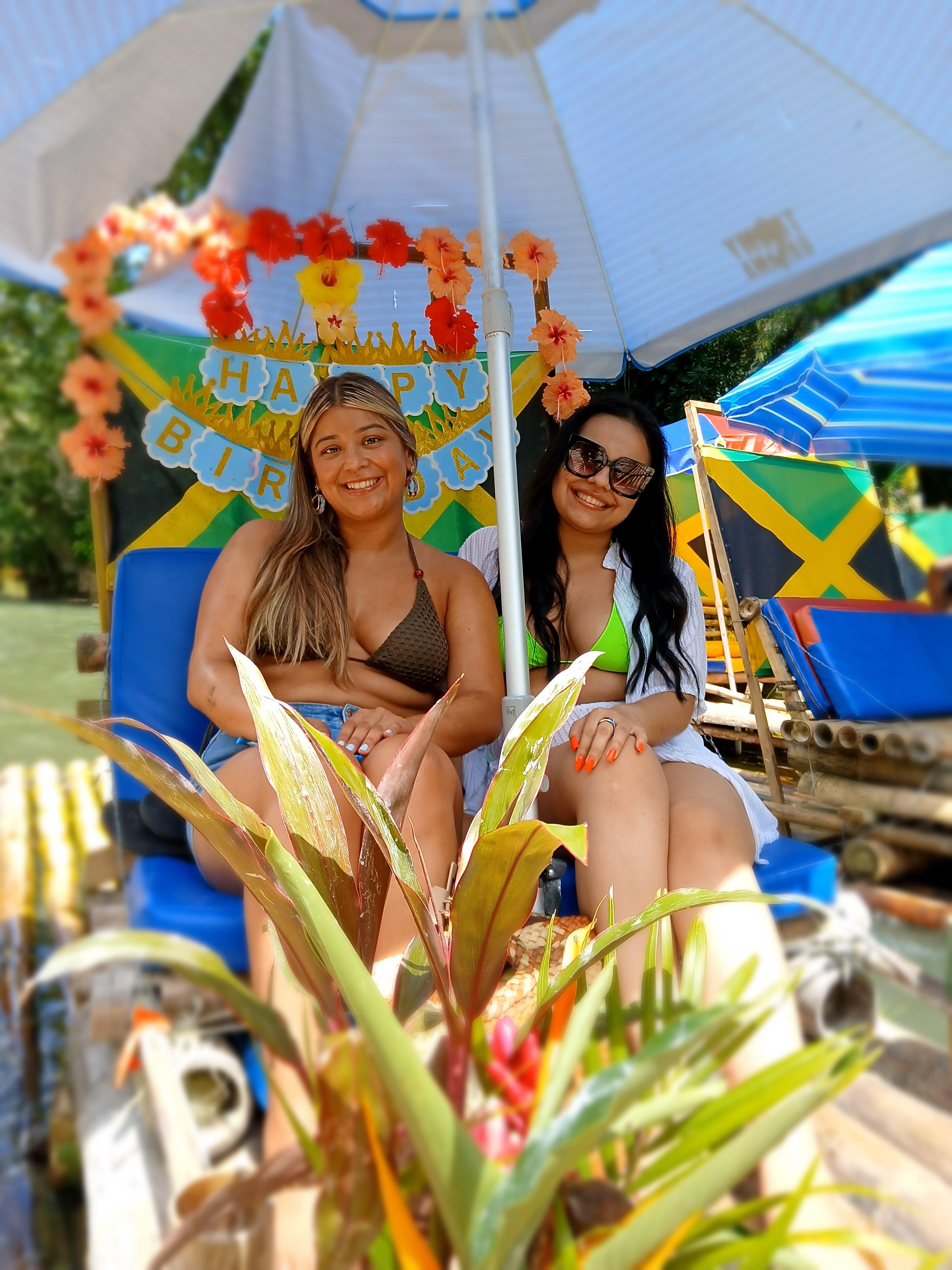
Site of traditional 30-foot bamboo raft rides guided by local raft captains through tropical scenery.

Greenwood Great House

20 min drive

museum

A restored 1780s plantation great house with period furnishings and antique collections near Montego Bay.

Where to stay

Where to stay nearby

Historic Falmouth town center

Walking distance

district

Small guesthouses and B&Bs scattered among restored Georgian buildings, limited in number and often booked around cruise days.

Royalton Blue Waters area

10 min drive

luxury

All-inclusive beachfront resort along the coast west of Falmouth's historic district.

Montego Bay hotel district

30–45 min drive

mid-range

Jamaica's largest concentration of hotels, from budget to luxury, with easy A1 highway access to Falmouth.

Ocho Rios resort strip

1 hour drive

mid-range

A dense resort corridor offering an alternative base for day trips into Falmouth.

Ready for Adventure?

Join thousands of happy travelers who have discovered this incredible experience

Book Your Experience Now