7 hr
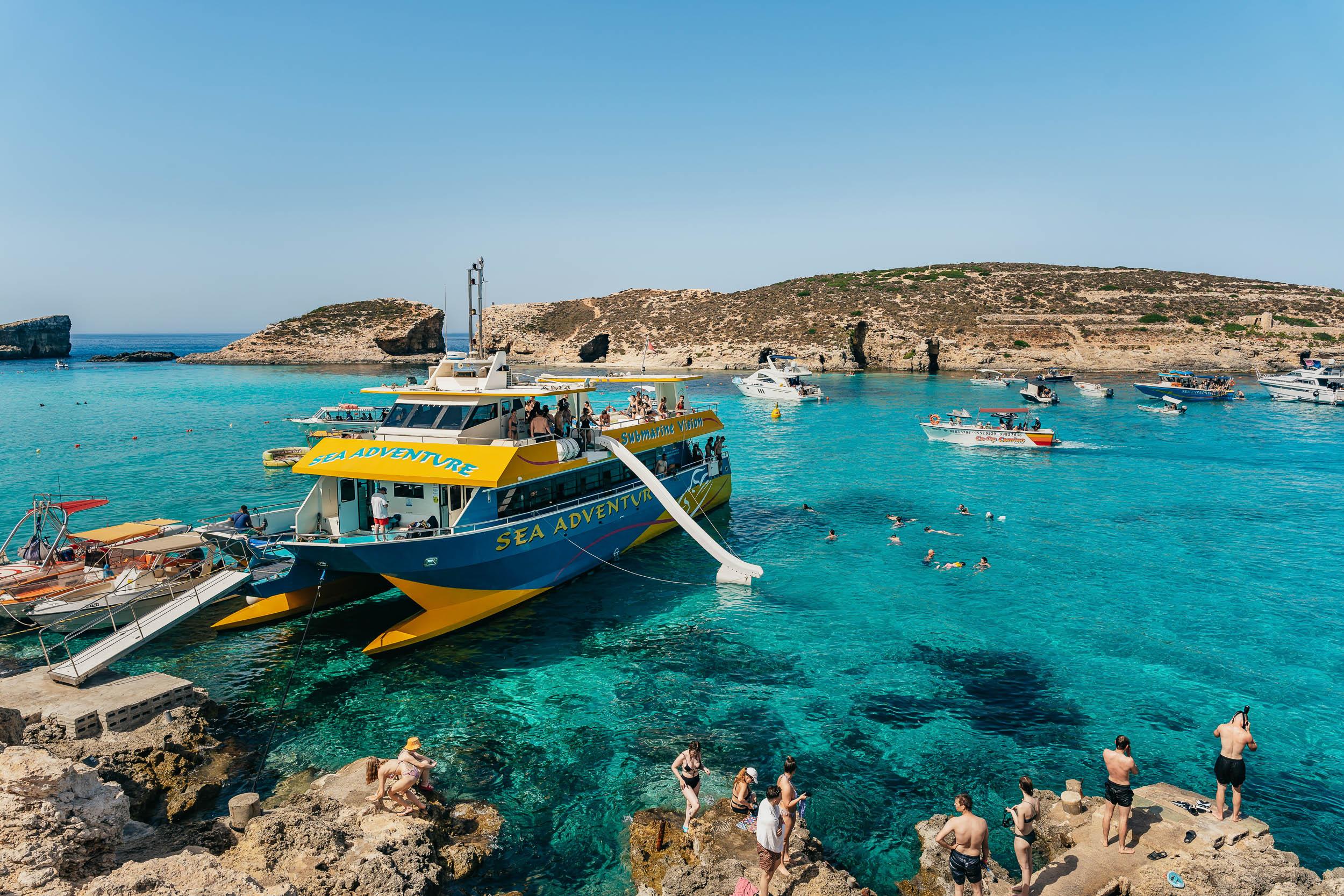
Malta: Full-Day Gozo, Comino, and Blue Lagoon Boat Adventure
- Expert local guide
- Small group
- Skip-the-line access
- Free cancellation
Blue Lagoon Jamaica — Boat Trips, Swim Access & Guided Visits in Port Antonio
Cold springs meet the warm sea, jade water folds into blue.
Compare fares, pick the fit — all bookings are mobile-voucher and eligible for free cancellation where shown.
7 hr
7 hr
6 hr
Hand-picked experiences loved by thousands of travelers
7 hours
Free Cancellation
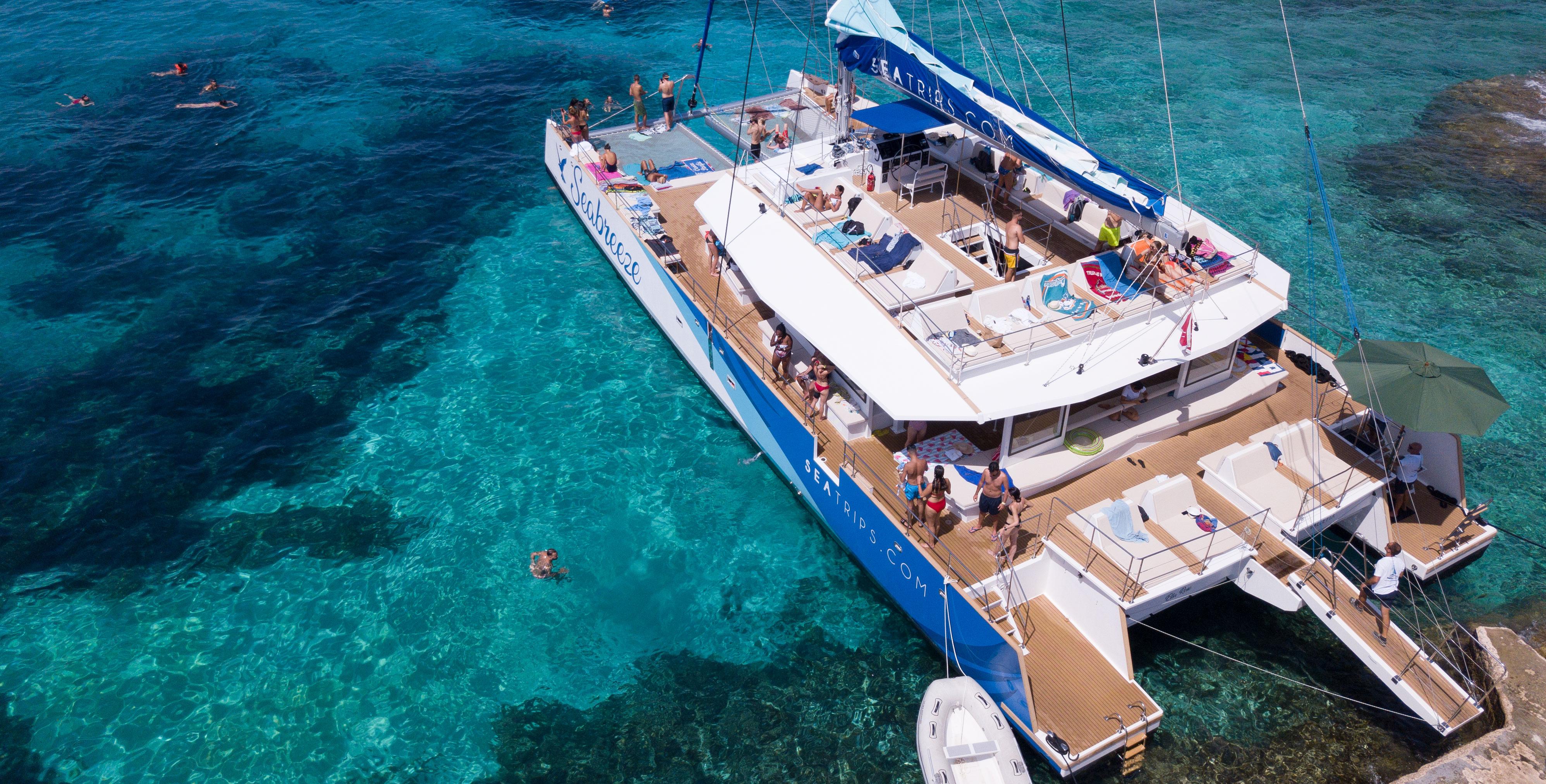
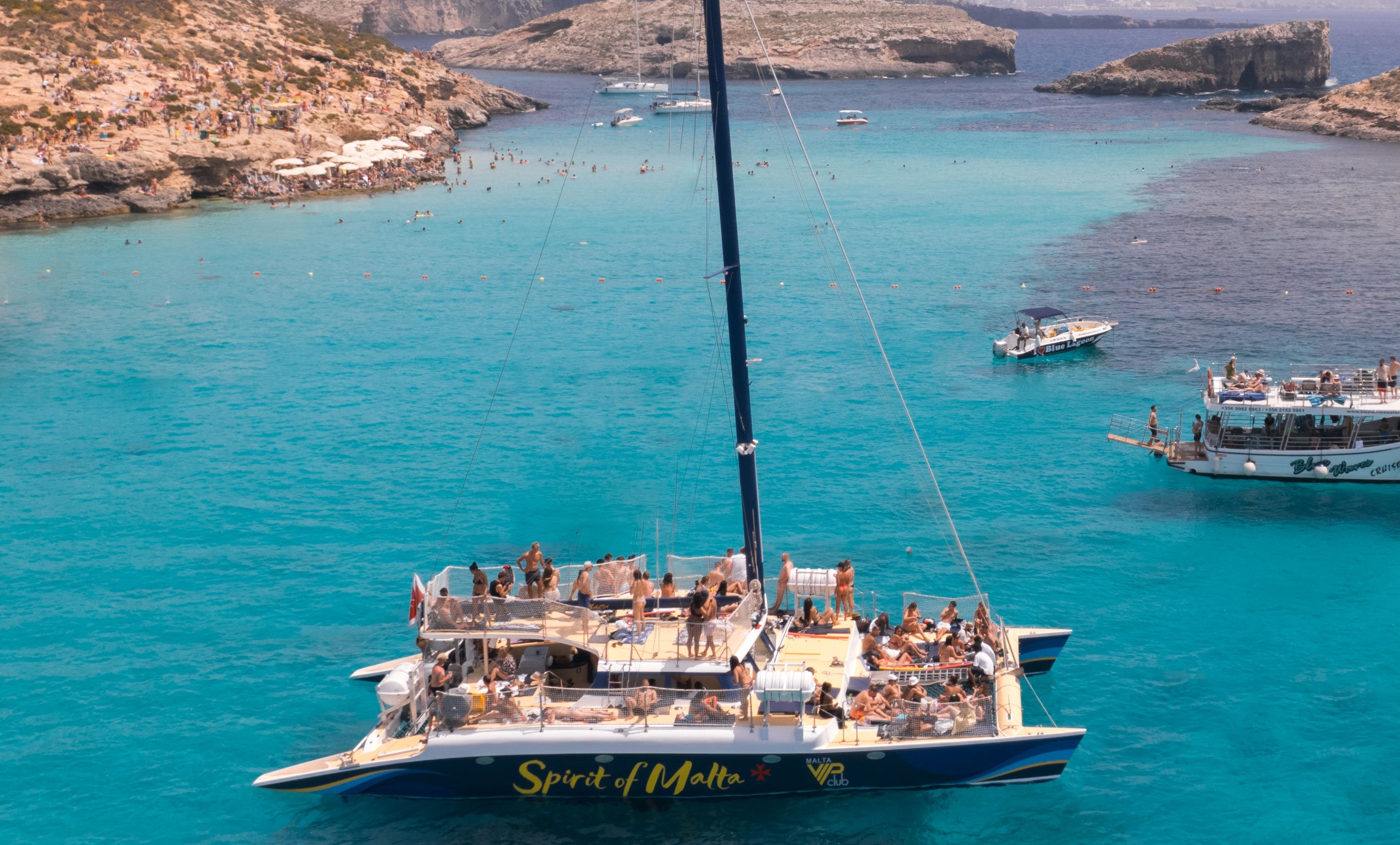
Experience a full day of sailing, swimming, and socializing aboard the Spirit of Malta catamaran.
4 hours
Free Cancellation
Discover Malta’s hidden coastal gems, including the stunning Blue and Crystal Lagoons, on this scenic four-hour boat adventure.
3 - 4 hours
Free Cancellation
Escape the crowds on a semi-private boat trip to Malta’s most iconic lagoons, stunning sea caves, and rugged coastal highlights.
Get an overview of the lagoon's turquoise-to-sapphire color shift from the Blue Hole Road pull-off before heading down
Follow the path from the road to the water's edge where local guides and small vendor stalls operate
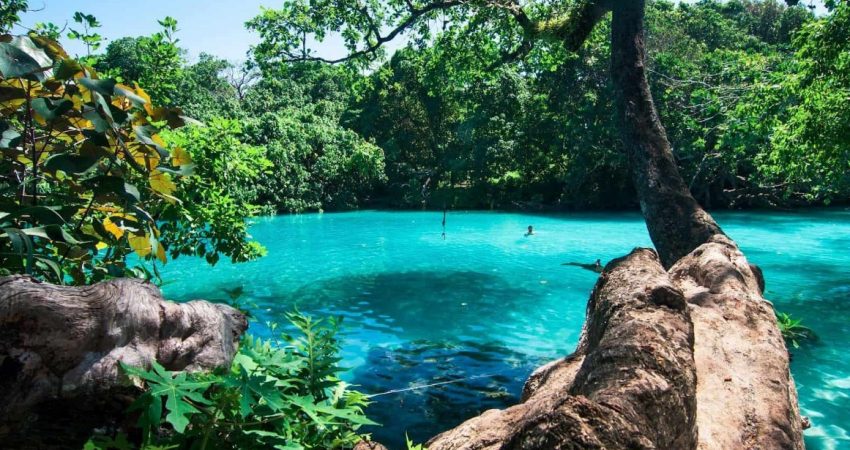
Enter the water where fresh spring water and Caribbean seawater mix, feeling the temperature layers change with depth
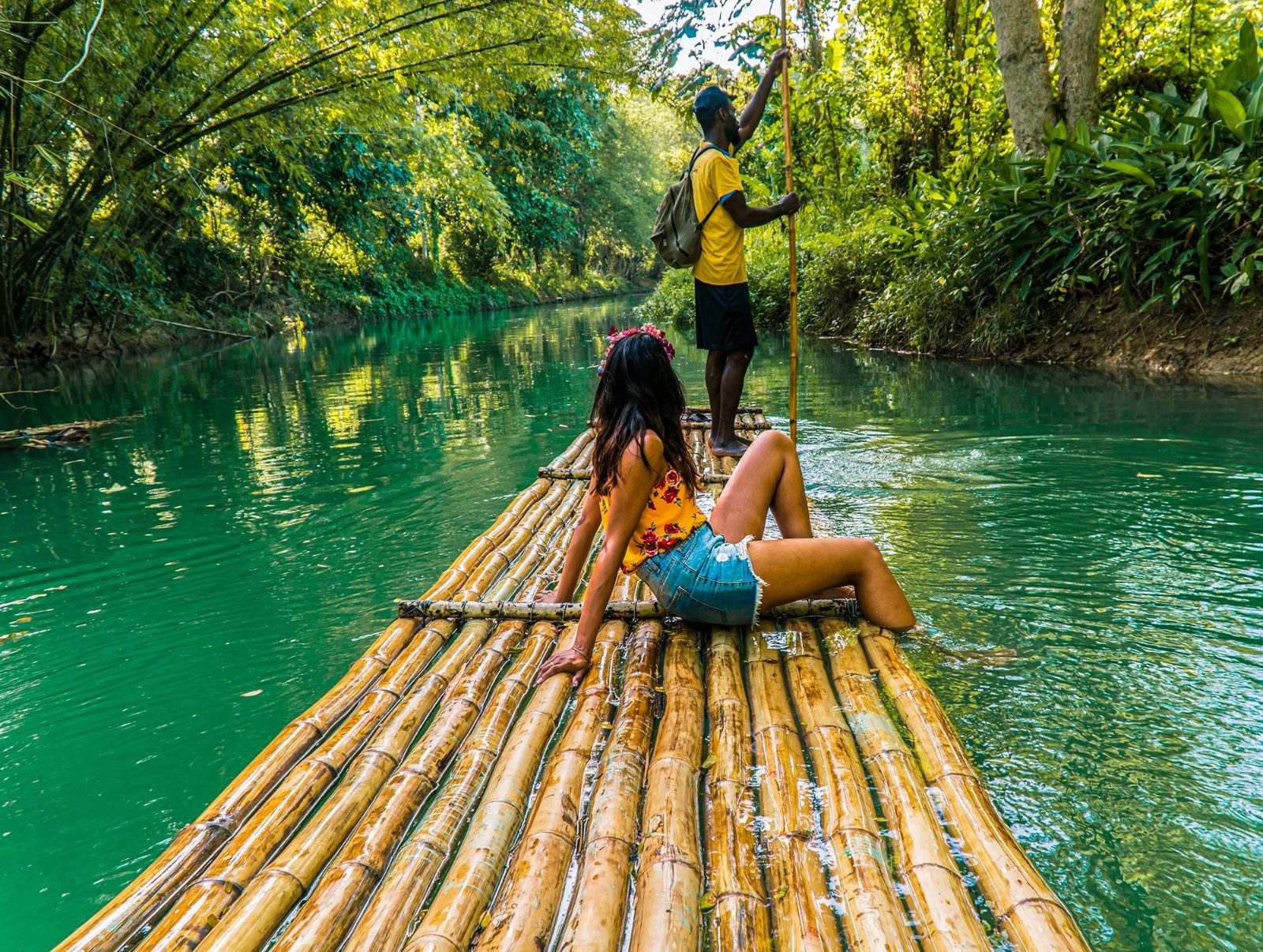
Book a short raft glide with a local boatman across the calmer sections of the lagoon
Small stalls near the shore sell drinks, snacks, and local crafts before departure
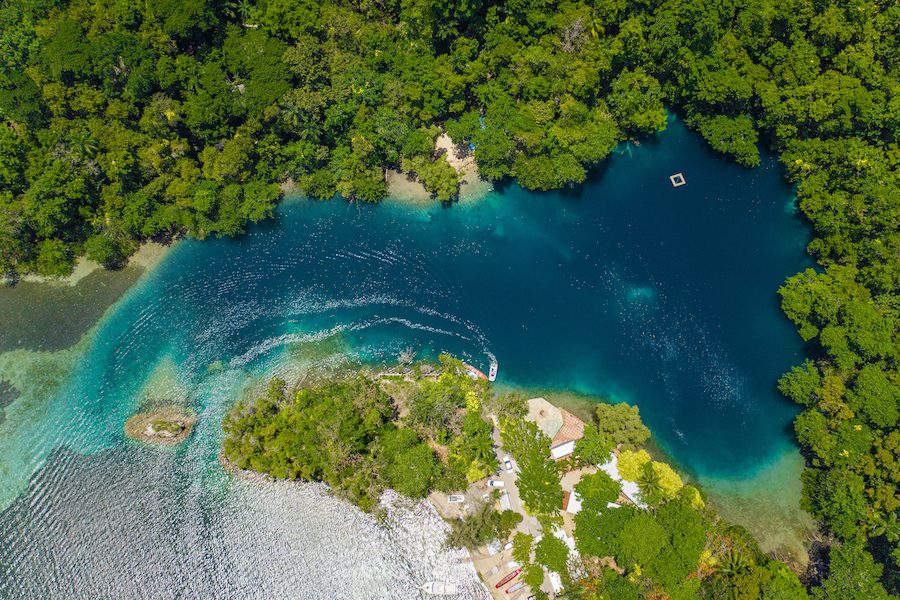
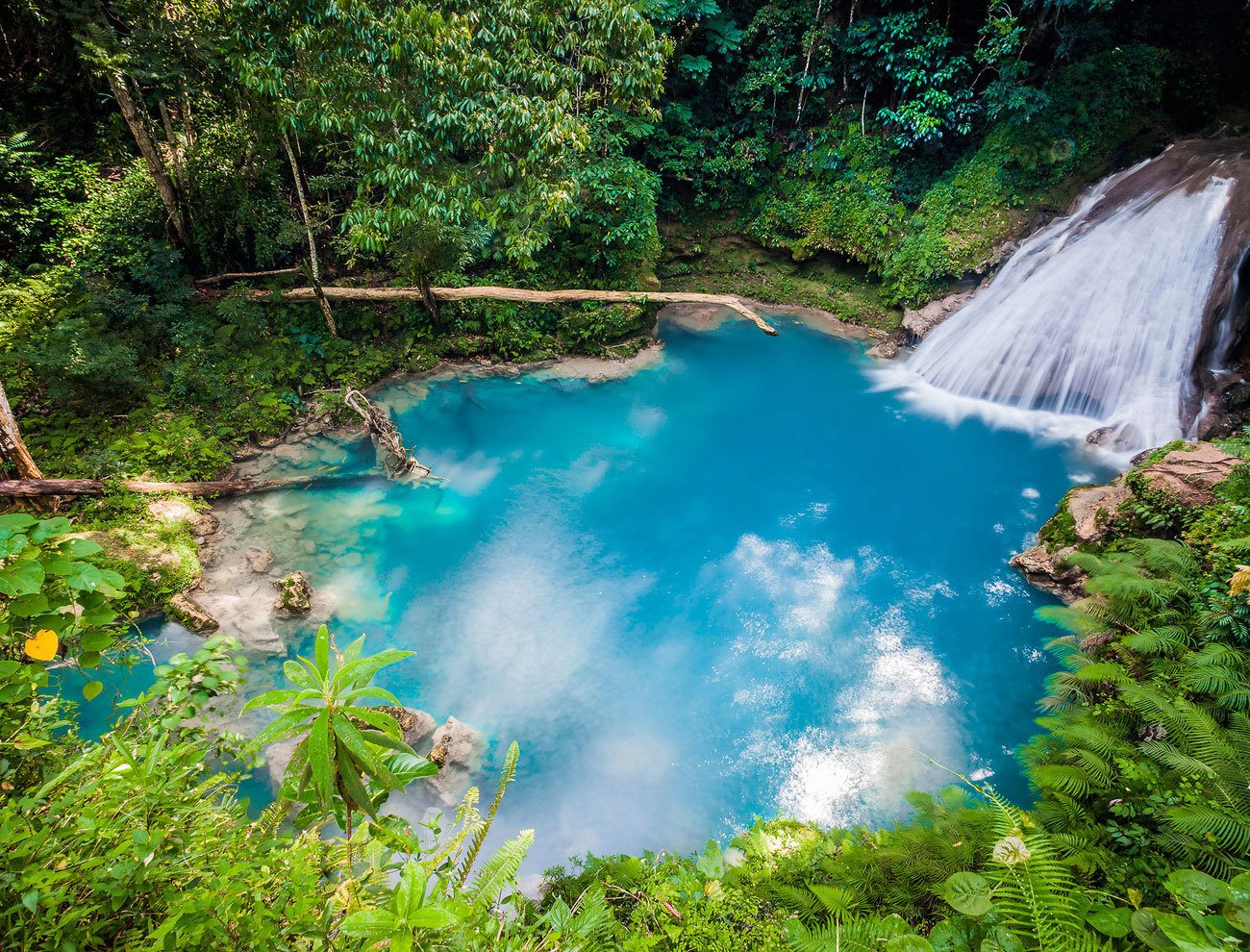
The central body of water long rumored to be bottomless, later measured by divers at roughly 180 to 200 feet deep, where surface saltwater meets underground freshwater springs. Its color shifts from turquoise to deep sapphire depending on the sun's angle through the day.
Pockets along the lagoon's edge where cold underground springs surface through the seabed, creating sharp temperature contrasts against the warmer surrounding seawater. Swimmers often describe distinct cold layers a few feet below the surface.
The shoreline launch point where local boatmen pole traditional bamboo rafts across the calmer sections of the lagoon, a practice that grew out of the same rafting tradition used on the nearby Rio Grande.
A pull-off along Blue Hole Road that gives an elevated view over the full lagoon and surrounding hillsides, often used as a first stop before descending to the water.
A waterfront restaurant and deck structure built at the lagoon's edge that has remained closed for renovation for several years, still visible from the shoreline path.
Steep, densely vegetated hillsides that enclose the lagoon on nearly all sides, shielding it from wind and giving it the sheltered, cove-like character that drew Hollywood film crews in the 20th century.
You arrive on Blue Hole Road, off Fair Prospect Road, and the water announces itself before you reach it — a wedge of jade glimpsed through the almond trees. You leave your things at the small dock, wade in from the pebbled edge, and within a few strokes you feel the first cold ribbon rise from below, a freshwater spring cutting through the sun-warmed surface. The contrast is startling; you cross from one temperature to another and back again without moving far. You can hire a bamboo raft or a small wooden boat here, and a local operator poles you out toward the deeper centre where the colour turns to sapphire. You pause where the channel narrows toward the sea, watching the lagoon drain and refill with each swell. On a blue lagoon jamaica tour you often circle past the mangrove inlets, then double back to a rope swing knotted to an overhanging branch. You climb the low limestone edge, dry off in the shade, and time your swim for the quieter early hours before the day-trip vans arrive. Divers sometimes descend along the walls where the mineral springs seep out. You finish by drifting on your back in the middle, roughly 55 metres of water beneath you, the mountains stacked behind the shore and the open Caribbean glinting through the gap. Then you pole back to the dock, salt and freshwater still trading places against your skin.
All the details about your upcoming adventure in one place
Fed by underground freshwater springs meeting the warm Caribbean Sea, the blue lagoon jamaica shifts through shades of turquoise and deep sapphire as sunlight moves across its 180-foot depths. Local boat operators glide guests across the calm surface toward Monkey Island and the surrounding lush cliffs of Portland Parish. Blue lagoon jamaica tours pair well with a bamboo raft float along the nearby San San coastline.
The water of the Blue Lagoon reaches roughly 55 metres deep, fed by cold underground springs that surge up through the seabed and collide with the warm Caribbean pushing in from the coast. That meeting is what gives the surface its shifting palette — turquoise near the shallows, a dense sapphire out toward the centre — and why the temperature swings by several degrees within a single stroke. For generations locals called the site the Blue Hole, and folk belief once held it bottomless. It sits within Portland Parish, on the northeast coast where the Blue and John Crow Mountains funnel rain down toward the sea, keeping the surrounding vegetation dense and the freshwater supply constant. The lagoon entered wider imagination when the 1980 film of the same name was shot in these waters, drawing a steady current of visitors to what had been a quiet fishing coast. Today the setting remains one of the most recognisable of Port Antonio's landmarks, and blue lagoon jamaica tours built around bamboo rafting, swimming, and short boat circuits have become a fixture of the eastern parishes. What gives the place its lasting pull is less any single monument than the geology itself. The freshwater lens floating over denser saltwater produces visible thermoclines, cool ribbons threading through sun-warmed shallows that swimmers feel directly against the skin. Mineral springs seep from the limestone walls, mangroves crowd the inlets, and the whole basin drains through a narrow channel to the open ocean, framed by low cliffs and overhanging almond trees. Small wooden craft and traditional bamboo rafts still work the water, a continuity with the older river-rafting trade that Errol Flynn is credited with popularising nearby in the 1940s. The lagoon holds cultural weight beyond its scenery. It anchors a stretch of coast that resisted the mass resort development of Jamaica's north shore, so Port Antonio kept a slower rhythm and a landscape closer to how earlier travellers described it. Nearby Frenchman's Cove, the Rio Grande, and Reach Falls form a loose constellation of natural sites, and a blue lagoon jamaica tour is often folded into a broader day tracing that eastern coastline. The surrounding John Crow range, part of a UNESCO-listed park, underlines how much of Portland's appeal rests on protected wilderness rather than built attractions. For those weighing blue lagoon jamaica tickets against other regional outings, the draw is a rare combination — a swimmable natural wonder, a film-history footnote, and a working piece of coastline all held in a single basin of extraordinary colour that no photograph has ever quite fixed.
Cold springs surge up through the seabed and collide with the warm Caribbean, and the colour shifts with every stroke.
Swimwear is standard, since most visitors go straight into the water; bring a cover-up or light shirt for the walk between the parking area and the shoreline. Water shoes or secured sandals help on the rocky entry points around the lagoon, and Blue Lagoon Jamaica's mix of shaded coves and open sun means a light layer is useful year-round.
There are no bag checks or security screening at Blue Lagoon Jamaica, since it sits on open public land rather than a gated venue. A small dry bag is worth carrying for phones and cash, as vendors and raft operators work directly on the shoreline and there is no formal storage or locker facility on site.
Personal photography and video are unrestricted at Blue Lagoon Jamaica, including drone shots from the surrounding hillside roads, though visitors flying drones near private villas around the lagoon should keep a respectful distance. The changing water color through the day, from turquoise near the surface to deep sapphire over the 180-foot depths, makes late morning and mid-afternoon light the most reliable for clear shots.
Life jackets are available from local guides for children swimming in the deeper sections of the lagoon, and calm, sheltered pockets near the shore suit younger kids. There are no lifeguards on duty, so adults should stay within arm's reach of non-swimmers at all times.
The shoreline around Blue Lagoon Jamaica is natural and uneven, with rocky and root-covered patches leading down to the water, so wheelchairs and strollers face real limits without assistance. There are no paved ramps, rails, or accessible restrooms on site, and visitors with mobility needs should plan to view the lagoon from the roadside overlook if entering the water isn't practical.
Outside food and drink can be brought onto the public land around Blue Lagoon Jamaica, and there is no restriction on packed coolers or picnic items. The former on-site restaurant and deck have remained closed for renovation for several years, so visitors should not expect a formal dining option at the water's edge, only occasional roadside vendors.
Midweek visits see lighter crowds
Tour groups increase toward weekend
Busiest day, cruise-linked tour buses
Hours
Open daily 09:00–17:00
Car · 20 minutes from Port Antonio · Free roadside parking
Self-drive from Port Antonio along the A4 coastal road toward Fair Prospect, following signs for Blue Hole; the route hugs the coastline with several scenic pull-offs.
Taxi · 15–20 minutes · Approx. USD 15–25 one-way
Licensed JUTA taxis run from Port Antonio's town center directly to the Blue Hole Road entrance, with fares typically negotiated in advance.
Public transport · 25–30 minutes · Approx. JMD 150–300
Route taxis and minibuses departing from Port Antonio's transportation center travel east along the coastal road and can drop passengers near the Fair Prospect Road turn-off.
Bike · 40–50 minutes · Free
Cyclists can follow the coastal road east from Port Antonio, though the route has limited shoulder space and moderate traffic.
Blue Lagoon Jamaica itself charges no admission (free entry, public land, voluntary donation accepted), so there is no ticket to cancel for general access. Bamboo raft rides and boat tours booked through independent operators or tour companies carry their own cancellation windows, typically 24–48 hours before departure for a full refund.
Recommended time
1.5-2.5 hours
That window covers arriving, swimming, a short boat or raft loop past Monkey Island, and time to sit by the water, since blue lagoon jamaica has no full-day facilities like fixed seating to linger over. Arrive at opening and you'll likely add time browsing raft operators; arrive after 11:00 and you may want to trim the swim to dodge tour buses. Queues aren't formal, but the wait is really for a raft or boat slot once operators fill up mid-morning, not for entry itself.
Crowd levels through the day
Weather · crowds · average price — dots go green to amber to red as each metric rises.
Drier, cooler weather makes this the most comfortable season to visit Blue Lagoon Jamaica, with less rainfall across Portland Parish. Peak tourist season also brings more cruise-linked tour groups to the lagoon.
Transitional weather with occasional showers but still relatively low humidity. Crowds thin out compared to winter, giving a quieter setting for swimming.
Warm, humid conditions with the Caribbean sea at its warmest, making the lagoon's cooler freshwater springs especially refreshing. School holidays bring a steady flow of family visitors through July and August.
The wettest months in Portland Parish, with September and October seeing the heaviest rainfall and the greenest surrounding rainforest. Visitor numbers are lowest, though hurricane season requires checking forecasts before travel.
The lagoon's color shifts from turquoise to deep sapphire depending on the sun's angle, so midday visits generally show the most vivid blues at Blue Lagoon Jamaica.
Blue Hole Road, Off Fair Prospect Road, Port Antonio, Portland Parish, Jamaica
Main roadside pull-off overlooking the lagoon, common meeting spot for guided tours
Get directionsFair Prospect Road turn-off, Port Antonio
Marked path leading down to the water's edge where raft operators and guides gather
Get directionsFor most of its recorded history, the site now known as the blue lagoon jamaica was called the Blue Hole. Local lore held the water to be bottomless. In truth, the lagoon reaches roughly 200 feet, fed by cold freshwater springs that mix with the warm Caribbean tide. The result is the shifting turquoise that later drew filmmakers and divers alike. Errol Flynn anchored the era of its fame. The Australian-American actor settled near Port Antonio in the late 1940s, bought Navy Island in 1947, and made the Portland coast a haunt for Hollywood visitors. His presence turned the quiet Blue Hole into a name whispered among the wealthy. Norman Manley, later Jamaica's Premier, secured a protection order over the surrounding land in 1951, an early attempt to shield the springs from unchecked development. The lagoon's scientific standing rose in 1954, when Jacques Cousteau dove its depths and studied the cold-spring phenomenon. Word of the water's clarity spread through diving circles. Yet the modern name arrived by accident. Randal Kleiser's 1980 film 'The Blue Lagoon,' starring Brooke Shields, was shot in Fiji and not in Jamaica at all. Its title nonetheless attached itself to the Portland site, and 'Blue Hole' gave way to the name that now anchors every blue lagoon jamaica tour brochure. Recognition of the site among protected Portland landmarks came formally in 2018, when the Jamaica National Heritage Trust designated it a National Monument. That designation cemented public access to land long contested between private owners and the parish. Today the lagoon remains free public ground on Blue Hole Road, off Fair Prospect Road, with only voluntary donations requested. Operators running blue lagoon jamaica tours ferry visitors across the same emerald water Cousteau once measured, while those seeking blue lagoon jamaica tickets for boat rides deal with independent boatmen rather than any single gatekeeper. The freshwater springs, the tidal mixing, the depth once called bottomless — these endure. What the colonial era named for its color and Hollywood renamed by mistake now stands, as of 2026, a monument protected in law and unchanged in substance.
Errol Flynn settled near Port Antonio and bought Navy Island in 1947, drawing Hollywood to the coast.
Norman Manley secured a protection order over the land surrounding the Blue Hole springs.
Jacques Cousteau dove the lagoon and studied its cold-spring, saltwater-mixing phenomenon.
Randal Kleiser's film 'The Blue Lagoon' prompted the site's renaming, though it was shot in Fiji.
The Jamaica National Heritage Trust designated the lagoon a National Monument.
Visiting blue lagoon jamaica with kids works best as a short, focused swim rather than a full beach day, since the site offers water and views but little to sit on. Families who plan around the concrete platform and rocky bottom get an easier trip than those expecting a typical resort setup.
The path from parking to the water is short but uneven, and there's no boardwalk once you reach the lagoon, so a stroller is only useful up to the entrance. Carry younger children the last stretch, especially on the rocky edges near the water.
Toddlers and young children can wade in shallow pockets with a life vest, but the lagoon drops off quickly with very limited standing space, so non-swimmers need constant hands-on supervision. The 20-35ft cliff-jump platforms are for older kids and adults only, so save that part for teens.
Bathrooms and dressing rooms are on site, and lifeguards watch the swimming area, which helps with peace of mind. There's no baby-change table, so bring a portable mat if traveling with an infant.
Most families do well with one to two hours here rather than a full day, since there's nowhere to relax beyond the concrete jumping platform. Bring your own towel or mat to claim a patch of ground for breaks between swims.
The lagoon bottom is rocky and uneven underfoot, so water shoes for kids make wading far more comfortable than bare feet. Pack an extra pair since sandals tend to slip off in deeper water.
If weather turns, the lagoon itself stays swimmable, but the lack of covered seating means a downpour can end the visit early. Many Port Antonio blue lagoon jamaica tours pair the stop with an indoor option nearby as a backup.
There is no working restaurant at blue lagoon jamaica: the old lakeside dining room has sat shuttered since Hurricane Ivan, and food today comes from a handful of small stalls near the entrance rather than a kitchen. Most visitors either bring supplies or plan a short drive out for a proper meal, so a bit of route planning helps whether you book blue lagoon jamaica tours or arrive independently.
A few small stands sell cold Red Stripe, coconut water, sodas, and packaged snacks near the entrance path. Some vendors also offer fish caught that morning, grilled or fried to order. Hours are informal and depend on who's set up that day.
The waterfront restaurant that once anchored the site has not reopened since storm damage years ago; only concrete remains are visible. Do not plan a sit-down meal here — bring water and snacks instead.
A cluster of open-air jerk stalls near Boston Beach, roughly a 20-30 minute drive from the lagoon. Order jerk chicken or pork with festival and roast breadfruit, and expect a lively, informal setup rather than table service. Weekends draw the biggest crowds.
A relaxed harbourfront spot in town serving breakfast, seafood, and dinner with occasional live music. A reasonable option if heading back toward Port Antonio after a lagoon visit.
Real experiences from real travelers
We arrived mid-morning and the blue lagoon jamaica water was noticeably colder than the sea, which was welcome in July heat. The color really does shift from deep sapphire to green as clouds pass overhead. Bring water shoes because the entry rocks are slick.
Our raft captain poled us slowly around the inlet and pointed out where the cold spring meets the warmer Caribbean. Booking one of the blue lagoon jamaica tours through our guesthouse saved us haggling at the water's edge. Go early before the afternoon boats arrive.
Visited on a weekday and had the swimming platform almost to ourselves. The depth drops off fast so it feels bottomless, and the freshwater layer over saltwater is a strange floating sensation. One of the calmer Port Antonio landmarks we saw all week.
The lagoon itself is gorgeous, though getting there from Ochi took longer than expected on the coast road. We grabbed blue lagoon jamaica tickets on arrival with no wait, but a taxi back was tricky to flag. Worth the trip for the water color alone.
The blue lagoon jamaica genuinely glows under midday sun and turns almost teal near the jungle edge. We floated for an hour and watched small fish near the rocks. A towel and dry bag are all you really need.
We timed our blue lagoon jamaica tour for late afternoon and the light on the cliffs was worth it. The captain sang a little as he poled, and the water went silvery-blue as the sun dropped. Cash tips are appreciated by the raft crews.
Came around noon and a couple of tour boats had pulled in, so the swim area felt crowded for about an hour. Still, the spring-fed cool water and the surrounding greenery made it easy to see why people rave. The freshwater-saltwater mix near the channel is fascinating to swim through.
Nobody warned me how cold the deep part gets, and it was refreshing after the humid drive. Floating over the dark blue center with jungle on all sides felt remote and peaceful. Among the Port Antonio landmarks, this was our favorite stop.
We arranged everything the night before and picking up blue lagoon jamaica tickets was seamless. Morning light made the water almost mirror-still, and the jungle reflections were beautiful. Bring a hat, there is little shade at the swim platform.
The setting is quieter than the bigger resorts and feels more authentic. Water shoes and an early start make a real difference. We paired a short raft ride with a swim and left before the midday crowd built up.
Everything you need to know for your journey
Blue Lagoon Jamaica is open daily from 09:00 to 17:00, with the same hours every day of the week.
Entrance to Blue Lagoon Jamaica is free since it sits on public land, though a voluntary donation is welcomed for local guides and vendors who maintain the shoreline.
Arriving between 09:00 and 11:00 offers cooler temperatures and fewer tour groups before midday crowds build up at Blue Lagoon Jamaica.
There is no formal bag check or security screening, since the lagoon is open public land rather than a gated site; a dry bag for valuables is still recommended.
Photography and personal video are unrestricted around the lagoon, and the changing water color through the day makes it a popular subject for photos.
Swimwear with a light cover-up is standard, and water shoes help with the rocky entry points around the shoreline.
Outside food and drink can be brought in freely, though the former on-site restaurant remains closed for renovation, so plan accordingly.
From Port Antonio, it's roughly a 20-minute drive east along the coastal road toward Fair Prospect, with taxis and route taxis also available.
Yes, calm sheltered areas near the shore suit younger swimmers, though there are no lifeguards on duty so adult supervision is essential.
Since general entry to Blue Lagoon Jamaica is free, there's no admission ticket to cancel; independent raft or boat tour bookings follow the operator's own refund window, typically 24–48 hours ahead.
Trident Castle, Frenchman's Cove, and Winnifred Beach all sit within a 5–10 minute drive and combine naturally into a half-day Port Antonio itinerary.
No advance booking is required for general entry, since Blue Lagoon Jamaica has free public access; raft and boat excursions are best arranged with local operators on arrival or through a tour company beforehand.
A privately built hilltop castle overlooking the coast near the lagoon, known for its turreted architecture and film history connections. Viewing is typically from the exterior grounds or road.
A sheltered cove where a freshwater stream winds through white sand before meeting the sea. The steep underwater shelf here creates a stronger undertow than the calmer lagoon.
A public, undeveloped beach popular with locals for weekend gatherings, food stalls, and swimming. It offers a more community-oriented contrast to the lagoon's tourist draw.
A working marina in Port Antonio's harbor named after the actor who helped popularize the area in the 1940s, lined with boats and waterfront dining.
A small island near Port Antonio's twin harbors, once owned by Errol Flynn, visible from the town's waterfront.
A clifftop hotel near the lagoon with individually designed suites and ocean-view grounds, among the area's highest-end options.
Hilltop villa accommodations close to San San Beach, offering privacy and garden or sea views within a short drive of Blue Lagoon Jamaica.
Villa-style rooms near the lagoon itself, a short drive from central Port Antonio with a relaxed, low-key setting.
The parish capital offers a range of guesthouses and small hotels within walking distance of the harbor and town center.
Join thousands of happy travelers who have discovered this incredible experience
Book Your Experience Now